
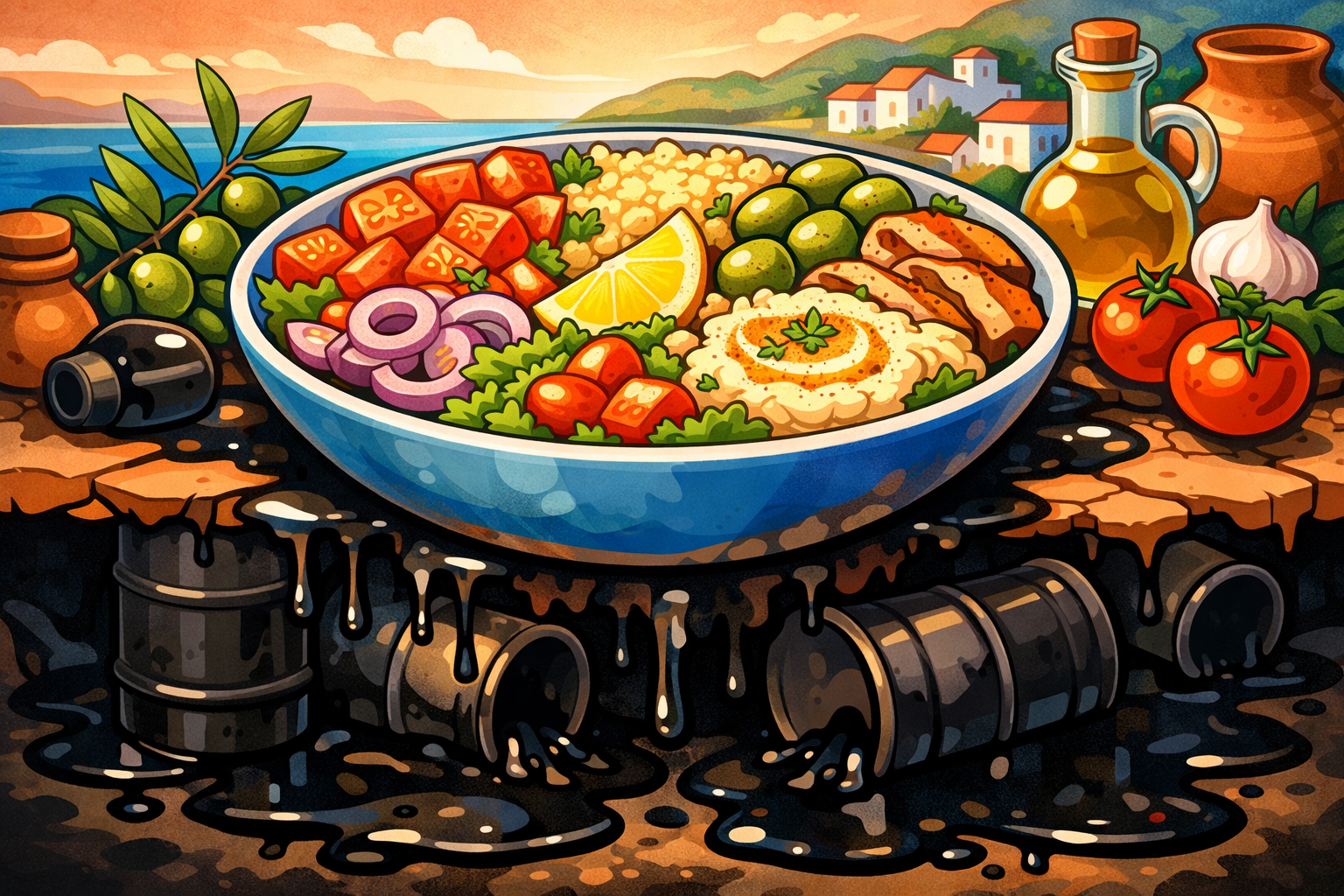
CAVA's 'Healthy' Image Exposed: The Hidden Seed Oils in Every Bowl
CAVA has built its reputation on serving "thoughtful Mediterranean food" that's supposedly better for you than typical fast-casual fare. With their emphasis on fresh vegetables, whole grains, and Mediterranean staples, they've attracted health-conscious diners looking for nutritious options. But there's something lurking in nearly every component of their bowls that contradicts their healthy image: inflammatory seed oils.
The Seed Oil Reality at CAVA
A deep dive into CAVA's ingredients reveals that seed oils aren't just present in a few menu items—they're virtually everywhere. From their dressings and spreads to their proteins and even their grains, these highly processed oils have infiltrated nearly every aspect of their menu.
🛡️ Trying to avoid seed oils? Seed Oil Scout has you covered.
2M+ downloads. 23K+ five-star reviews. Verified restaurant and grocery data so you always know what you're eating.
Here's what you're actually consuming when you order that "healthy" Mediterranean bowl:
- Sunflower oil appears in their falafel, roasted vegetables, and multiple dressings
- Canola oil is used in their grains, proteins, and sauces
- Soybean oil shows up in their tahini-based products and spreads
- "Vegetable oil" (often a blend of the worst offenders) is listed in numerous items
The most shocking discovery? Even their seemingly simple items like hummus and tzatziki contain seed oils. Their harissa, which should traditionally be made with olive oil, uses sunflower oil instead.
Why This Matters for Your Health
Seed oils undergo extensive industrial processing involving high heat, chemical solvents, and deodorization. This process creates harmful compounds and strips away any nutritional value these oils might have originally possessed. The result is a product that's far removed from the whole foods our bodies evolved to process.
Research has linked excessive consumption of seed oils to increased inflammation markers in the body. A 2018 study published in the journal Nutrients found that diets high in omega-6 fatty acids (abundant in seed oils) relative to omega-3s promoted inflammatory processes. Most Americans already consume 10-20 times more omega-6s than omega-3s, and a single CAVA bowl can significantly worsen this ratio.
The oxidation of these polyunsaturated fatty acids during cooking and storage creates lipid peroxides—compounds that can damage cellular structures and contribute to oxidative stress. This is particularly concerning given that CAVA's food often sits in warming trays for extended periods.
The Mediterranean Diet Deception
What makes CAVA's seed oil usage particularly egregious is their Mediterranean positioning. The traditional Mediterranean diet, celebrated for its health benefits, relies heavily on extra virgin olive oil—not industrial seed oils. Studies of Mediterranean populations show their exceptional health outcomes are linked to their consumption of minimally processed fats like olive oil, not the refined oils CAVA substitutes.
By replacing olive oil with cheaper seed oils while maintaining Mediterranean branding, CAVA delivers a product that's fundamentally different from the diet they claim to represent. It's like ordering a Greek salad and getting iceberg lettuce with ranch dressing—the form might be similar, but the health implications are vastly different.
Hidden Sources You'd Never Suspect
Even if you think you're making smart choices at CAVA, seed oils hide in unexpected places:
- The "SuperGreens": These aren't just raw greens—they're cooked in oil blends containing canola
- Grilled proteins: Marinated in oil blends before cooking
- Pita chips: Fried in sunflower oil, not baked as many assume
- The "healthy" bowls: Pre-designed combinations often feature multiple seed oil sources
Even their seasonal vegetables, which sound like the safest bet, are typically roasted in seed oil blends. The only truly seed oil-free options are raw vegetables and possibly their cucumber-tomato salad (though cross-contamination is always a risk in commercial kitchens).
The Cost-Cutting Truth
Why would a company positioning itself as a healthier alternative rely so heavily on inflammatory oils? The answer is simple: economics. Seed oils cost a fraction of what extra virgin olive oil does. Sunflower oil runs about $0.50-$0.70 per pound wholesale, while quality olive oil can cost $4-6 per pound or more.
For a chain operating hundreds of locations, this difference translates to millions in annual savings. Unfortunately, those savings come at the expense of customer health—all while maintaining premium pricing that suggests higher quality ingredients.
What You Can Do About It
If you're committed to avoiding seed oils but find yourself at CAVA, your options are limited but not impossible:
- Stick to raw vegetables and greens that haven't been cooked
- Choose lemon juice and herbs instead of prepared dressings
- Ask for olive oil on the side (though verify it's actually pure olive oil)
- Skip all prepared proteins, spreads, and dips
- Avoid anything fried, roasted, or grilled at the restaurant
Realistically, this leaves you with a pretty sparse and unsatisfying meal for the premium price you're paying. The better solution might be finding restaurants that actually align with your health values.
The Bigger Picture
CAVA isn't alone in this deceptive practice. Many fast-casual "healthy" chains follow the same playbook: market to health-conscious consumers while cutting corners with cheap, inflammatory ingredients. This creates a particularly insidious problem where people believe they're making good choices while unknowingly consuming the very ingredients they're trying to avoid.
The prevalence of seed oils in restaurant food has reached epidemic proportions. A 2021 analysis found that over 90% of restaurant meals contain at least one seed oil, with many dishes containing multiple types. This makes eating out a minefield for anyone trying to reduce their inflammatory oil consumption.
Take Control of Your Health
The disconnect between CAVA's marketing and their actual ingredients highlights why you can't take restaurant health claims at face value. Real Mediterranean food cooked in olive oil can be incredibly healthy—but that's not what you're getting at CAVA.
Knowledge is power when it comes to making informed dining choices. Don't let clever marketing fool you into consuming inflammatory oils disguised as healthy Mediterranean fare. Your body deserves better than industrial seed oils masquerading as wholesome ingredients.
Ready to make truly informed choices about where you eat? Download Seed Oil Scout to instantly check any restaurant's seed oil usage before you order. With detailed breakdowns of menu items and healthier alternatives at your fingertips, you'll never have to guess whether your "healthy" meal is actually good for you. Take the guesswork out of eating out and join thousands of health-conscious diners who've already made the switch to seed oil-free dining.