
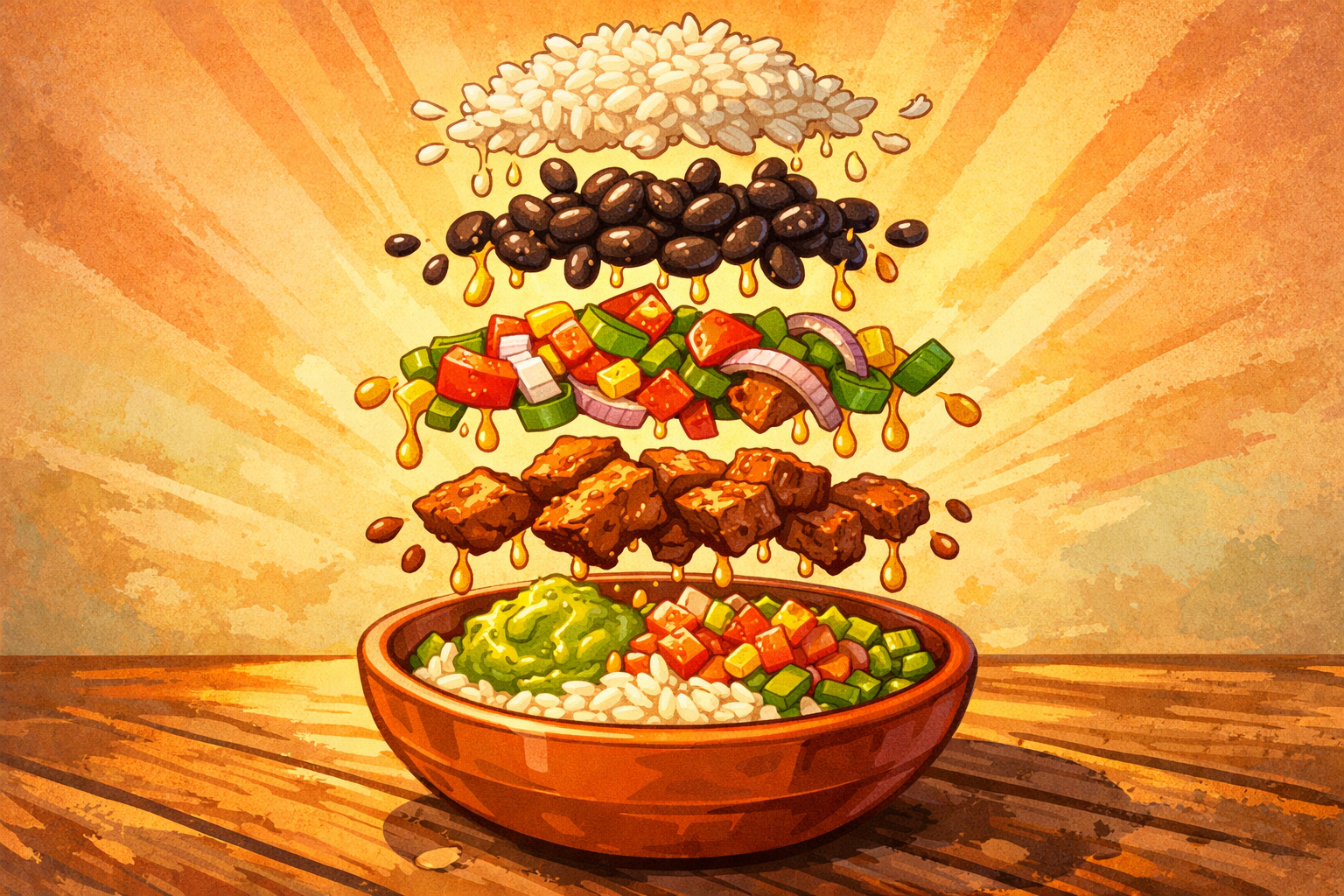
Chipotle's 'Clean' Image Shattered: Every Single Menu Item Contains Seed Oils
Chipotle has built an empire on the promise of "food with integrity" – fresh ingredients, responsibly sourced meats, and a commitment to quality that supposedly sets them apart from typical fast food. But there's a dirty secret hiding in plain sight on their ingredient list: every single menu item at Chipotle contains seed oils.
Yes, you read that correctly. From their cilantro-lime rice to their supposedly wholesome bowls, everything is cooked in or contains rice bran oil, sunflower oil, or both. For the millions of health-conscious consumers who choose Chipotle believing they're making a better choice, this revelation hits hard.
The Seed Oil Breakdown: What's Really in Your Bowl
Let's get specific about what's lurking in your favorite Chipotle order:
🛡️ Trying to avoid seed oils? Seed Oil Scout has you covered.
2M+ downloads. 23K+ five-star reviews. Verified restaurant and grocery data so you always know what you're eating.
- Rice (both white and brown): Cooked with rice bran oil
- Beans (black and pinto): Prepared with rice bran oil
- Fajita vegetables: Sautéed in sunflower oil
- Tortilla chips: Fried in sunflower oil
- Tortillas (all varieties): Contain sunflower oil
- Carnitas: Braised with sunflower oil
- Sofritas: Contain sunflower oil
- Vinaigrette: Made with rice bran oil
Even if you order just meat and lettuce, you're still getting seed oils. The chicken, steak, and barbacoa are cooked on a grill that's regularly seasoned with rice bran oil. There's literally no escape.
Why Rice Bran Oil and Sunflower Oil Are Problematic
Rice bran oil and sunflower oil might sound healthier than the typical canola or soybean oil found at other chains, but they come with their own set of concerns.
Rice bran oil is approximately 38% linoleic acid (omega-6), while sunflower oil can contain up to 68% linoleic acid. These high omega-6 concentrations contribute to inflammatory processes in the body when consumed in excess – which is exactly what happens when these oils are in every component of your meal.
Research published in the BMJ showed that replacing saturated fats with high omega-6 vegetable oils actually increased mortality rates. Another study in Nutrients found that excessive omega-6 consumption is linked to increased inflammation, obesity, and metabolic dysfunction.
The processing of these oils is equally concerning. Both rice bran oil and sunflower oil undergo extensive refinement involving:
- High-heat extraction (often exceeding 450°F)
- Chemical solvents like hexane
- Bleaching and deodorizing processes
- Addition of preservatives to prevent rancidity
This industrial processing creates harmful compounds including trans fats, oxidized lipids, and advanced glycation end products (AGEs) – all of which promote inflammation and cellular damage.
The Marketing Deception: How Chipotle Hides Behind 'Clean' Messaging
Chipotle's marketing genius lies in what they emphasize versus what they downplay. Visit their website, and you'll see bold claims about "53 real ingredients" and "no artificial flavors." They prominently feature their antibiotic-free meats and organic produce options.
But nowhere in their main marketing materials will you find transparent discussion about their universal use of seed oils. It's buried in their online allergen and ingredient statements – documents most customers never read.
This selective transparency is particularly troubling given their target demographic: health-conscious millennials and Gen Z consumers who are increasingly aware of the inflammatory effects of seed oils. A 2023 consumer survey by the International Food Information Council found that 42% of adults are actively trying to limit seed oil consumption.
Chipotle knows their audience, which makes their choice to use seed oils in everything even more puzzling – unless you consider the economics.
The Real Reason Chipotle Won't Ditch Seed Oils
The truth is simple: money. Seed oils are incredibly cheap compared to traditional cooking fats like tallow, butter, or even olive oil. With over 3,200 locations serving millions of customers daily, even a small increase in oil costs would significantly impact their bottom line.
Consider these price differences (wholesale, per gallon):
- Rice bran oil: $6-8
- Sunflower oil: $5-7
- Extra virgin olive oil: $25-35
- Grass-fed tallow: $30-40
- Avocado oil: $40-50
When you're using hundreds of gallons per location per month, those differences add up to millions in additional costs annually.
There's also the stability factor. Seed oils have longer shelf lives and higher smoke points, making them more forgiving in high-volume restaurant operations. They don't require special storage conditions and can sit in fryers for extended periods without breaking down visibly (though they're oxidizing at the molecular level).
What This Means for Your Health
If you're eating at Chipotle regularly – say, twice a week – you're consuming significant amounts of inflammatory omega-6 fatty acids. Based on typical serving sizes, a standard Chipotle bowl contains approximately 15-20 grams of seed oils. That's 30-40 grams per week from Chipotle alone.
The optimal omega-6 to omega-3 ratio is between 1:1 and 4:1. The average American diet provides a ratio closer to 20:1, and regular Chipotle consumption only worsens this imbalance.
This chronic inflammatory state has been linked to:
- Increased risk of heart disease
- Metabolic dysfunction and insulin resistance
- Autoimmune conditions
- Digestive issues and gut dysbiosis
- Skin problems including acne and eczema
- Mental health issues including anxiety and depression
Your Options: Can You Still Eat at Chipotle?
If you're committed to avoiding seed oils, the harsh reality is that Chipotle offers no truly clean options. However, if you must eat there, you can minimize exposure:
The absolute lowest seed oil option: Plain salad with just lettuce, cheese, sour cream, and guacamole. Skip all proteins, rice, beans, salsas, and dressings. This isn't much of a meal, but it's the only way to significantly reduce seed oil exposure.
If you need protein: The grilled steak contains the least amount of added oils compared to other proteins, though it's still cooked on oil-seasoned grills.
What to absolutely avoid: Chips, sofritas, carnitas, vinaigrette, and any rice or bean combination. These items have the highest seed oil content.
Better Alternatives: Where to Eat Instead
Fortunately, the tide is turning. Several restaurant chains are responding to consumer demand for seed oil-free options:
- Shake Shack: Uses beef tallow for frying
- Five Guys: Fries in peanut oil (while not ideal, it's lower in omega-6 than most seed oils)
- In-N-Out Burger: Uses sunflower oil but in more limited applications
- Local farm-to-table restaurants: Many are switching to olive oil, butter, or animal fats
Take Control of Your Health
The Chipotle revelation is just one example of how challenging it can be to avoid seed oils when eating out. Even restaurants with healthy reputations often prioritize profits over genuine nutrition.
This is exactly why we created Seed Oil Scout – to empower you with real-time information about seed oil content at thousands of restaurants. Our app takes the guesswork out of dining decisions, helping you quickly identify which menu items contain seed oils and suggesting cleaner alternatives nearby.
Don't let marketing fool you. Download Seed Oil Scout today and start making truly informed choices about where and what you eat. Your health is too important to leave to chance – or to corporate messaging that prioritizes profits over your wellbeing.
Ready to discover seed oil-free options near you? Download Seed Oil Scout and join thousands of health-conscious diners taking control of their restaurant choices.