Does Utz Use Beef Tallow? What They Use Instead
Quick Answer
🛡️ Trying to avoid seed oils? Seed Oil Scout has you covered.
2M+ downloads. 23K+ five-star reviews. Verified restaurant and grocery data so you always know what you're eating.
Download the App →
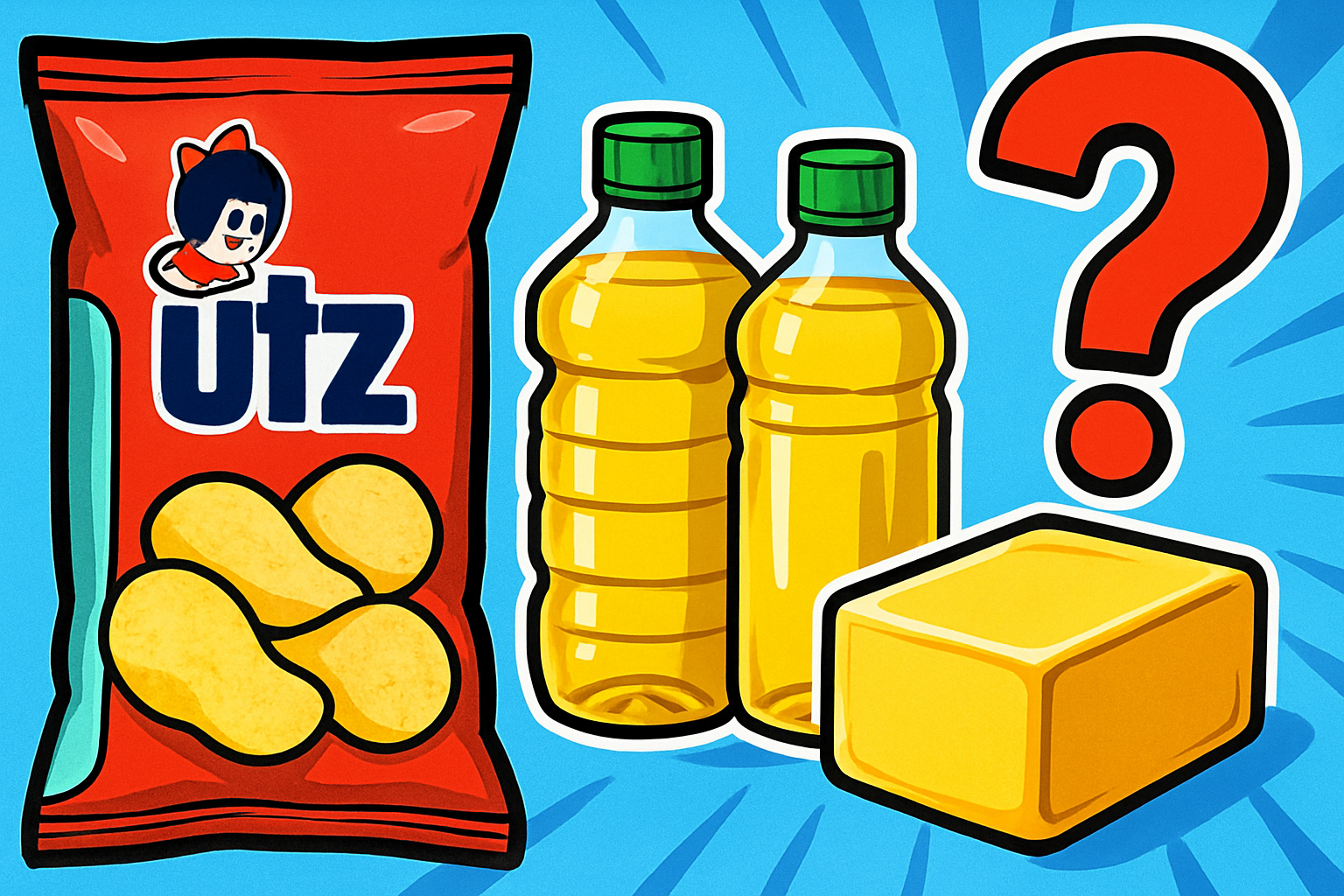
No, Utz does not use beef tallow in their potato chips. The Pennsylvania-based snack company relies on seed oils like cottonseed oil, sunflower oil, and canola oil across most of their product lines. While Utz has built a loyal following for their regional flavors and quality ingredients, they follow the industry standard of using processed vegetable oils for frying their chips.
If you're looking for chips made with beef tallow, Boulder Canyon offers the only widely available tallow-fried potato chips, sold exclusively at Costco. For other seed oil-free options, Jackson's uses coconut oil and Siete uses avocado oil in their chip varieties.
Does Utz Actually Use Beef Tallow?
Utz Brands, the parent company behind Utz potato chips, does not use beef tallow in any of their chip products. The company has been transparent about their oil usage, listing cottonseed oil, sunflower oil, and canola oil as their primary frying fats depending on the specific product line.
This is somewhat disappointing given Utz's heritage as a family-owned company that started in 1921. You might expect a brand with nearly 100 years of history to stick with traditional fats, but like most major snack manufacturers, Utz switched to industrially processed seed oils decades ago.
The only animal fat Utz uses appears in their pork rinds line, where they appropriately use lard. This shows the company understands the value of animal fats for certain products, making their choice to avoid beef tallow in chips all the more puzzling.
Utz's decision to avoid beef tallow mirrors the broader snack industry trend that began in the 1980s and 1990s. Even McDonald's famously switched from beef tallow to vegetable oil for their french fries in 1990, marking a turning point in American food culture that prioritized shelf stability and cost over nutritional quality.
What Oil Does Utz Use?
Utz primarily uses three different seed oils across their product lines: cottonseed oil, sunflower oil, and canola oil. The specific oil varies by product, with some varieties listing multiple oils on their ingredient labels.
Cottonseed oil is particularly concerning from a health perspective. Cotton isn't technically a food crop, so cotton plants receive heavy pesticide treatments that concentrate in the oil. The refining process for cottonseed oil also involves harsh chemical extraction and deodorization to make it suitable for human consumption.
Sunflower oil, while often marketed as a "healthier" alternative, still contains extremely high levels of omega-6 linoleic acid. Regular sunflower oil contains around 65% linoleic acid, making it one of the most inflammatory oils commonly used in food production.
Canola oil rounds out Utz's oil lineup. Despite marketing claims about its heart-healthy properties, canola oil undergoes extensive processing involving hexane extraction, bleaching, and deodorization. The final product bears little resemblance to the rapeseed plant it originated from.
All three oils share a common problem: they're rich in polyunsaturated fatty acids (PUFAs) that become oxidized and rancid when exposed to heat, light, and air during the frying process. For a detailed breakdown of why these oils are problematic, check out our comprehensive guide on
Utz's seed oil usage.
Why Beef Tallow Is Better for Chips
Beef tallow would be a superior choice for frying potato chips for several compelling reasons related to both health and flavor.
From a nutritional standpoint, beef tallow is primarily composed of saturated and monounsaturated fats, which are much more stable under high heat than the polyunsaturated fats found in seed oils. This stability means less oxidation during the frying process, resulting in chips that don't contain the harmful lipid peroxides that form when PUFAs break down.
The fatty acid profile of beef tallow is also more aligned with human biology. Unlike seed oils that contain 50-70% omega-6 linoleic acid, beef tallow contains only about 3% linoleic acid. This matters because excessive omega-6 intake disrupts the delicate omega-3 to omega-6 ratio that our bodies need for optimal inflammatory response.
Beef tallow has an impressive smoke point of around 400°F, making it ideal for the high-temperature frying required for crispy chips. The fat remains stable throughout the cooking process, unlike seed oils that begin breaking down and forming toxic compounds at lower temperatures.
From a culinary perspective, beef tallow imparts a rich, savory flavor that enhances rather than masks the potato's natural taste. Many chefs and food enthusiasts report that tallow-fried foods have a superior mouthfeel and more satisfying taste compared to those cooked in vegetable oils.
Historically, beef tallow was the standard fat for frying in American kitchens and restaurants until the anti-saturated fat campaigns of the 1980s pushed the food industry toward cheaper vegetable oils. For more information on why beef tallow is beneficial, read our detailed analysis of
beef tallow's health benefits.
Where to Find Tallow Chips
If you're committed to avoiding seed oils in your snack choices, you have several options that don't involve settling for Utz's seed oil-fried chips.
Boulder Canyon offers the gold standard for tallow chips with their beef tallow-fried potato chips, available exclusively at Costco stores. These chips represent a genuine return to traditional cooking fats and have garnered a devoted following among health-conscious consumers. The company has committed to using grass-fed beef tallow, making these chips as clean as mass-market chips can get.
Jackson's Honest provides another excellent alternative, using coconut oil instead of seed oils. Coconut oil is primarily saturated fat, making it stable for frying and free from the inflammatory omega-6 fatty acids found in conventional chip oils. Jackson's offers a variety of flavors and even makes sweet potato chips.
Siete chips use avocado oil, which while not as ideal as animal fats, contains significantly less linoleic acid than typical seed oils. Avocado oil is about 70% monounsaturated fat, making it a reasonable compromise for those who want to avoid the worst seed oils while maintaining some variety in their chip choices.
For the most dedicated seed oil avoiders, making your own chips at home using beef tallow remains the best option. You can control exactly what goes into your food and enjoy the superior taste that comes from traditional cooking fats.
You can also explore our comparison of
beef tallow versus vegetable oil to understand more about why traditional fats outperform modern alternatives.
The Bottom Line
Utz does not use beef tallow in their potato chips, instead relying on the same problematic seed oils used by most major snack manufacturers. While Utz has built a strong regional brand with quality ingredients in other areas, their oil choices align with industry standards rather than optimal health practices.
The good news is that truly healthy chip alternatives exist. Boulder Canyon's beef tallow chips at Costco represent the best widely available option for those serious about avoiding seed oils. Jackson's and Siete provide additional seed oil-free alternatives using coconut oil and avocado oil respectively.
The snack food landscape is slowly evolving as more consumers become aware of the problems with industrial seed oils. Companies like Boulder Canyon are leading the way back to traditional cooking fats, proving that it's possible to make delicious chips without compromising on ingredient quality.
For those committed to avoiding seed oils completely, the key is reading labels carefully and supporting brands that prioritize traditional fats over cheap industrial oils. Your health and taste buds will thank you for making the switch.
Ready to navigate the world of seed oil-free eating more easily? Download
Seed Oil Scout to find seed oil-free restaurants AND scan grocery products with our barcode scanner. The app puts the power of informed food choices right in your pocket. 🫡