
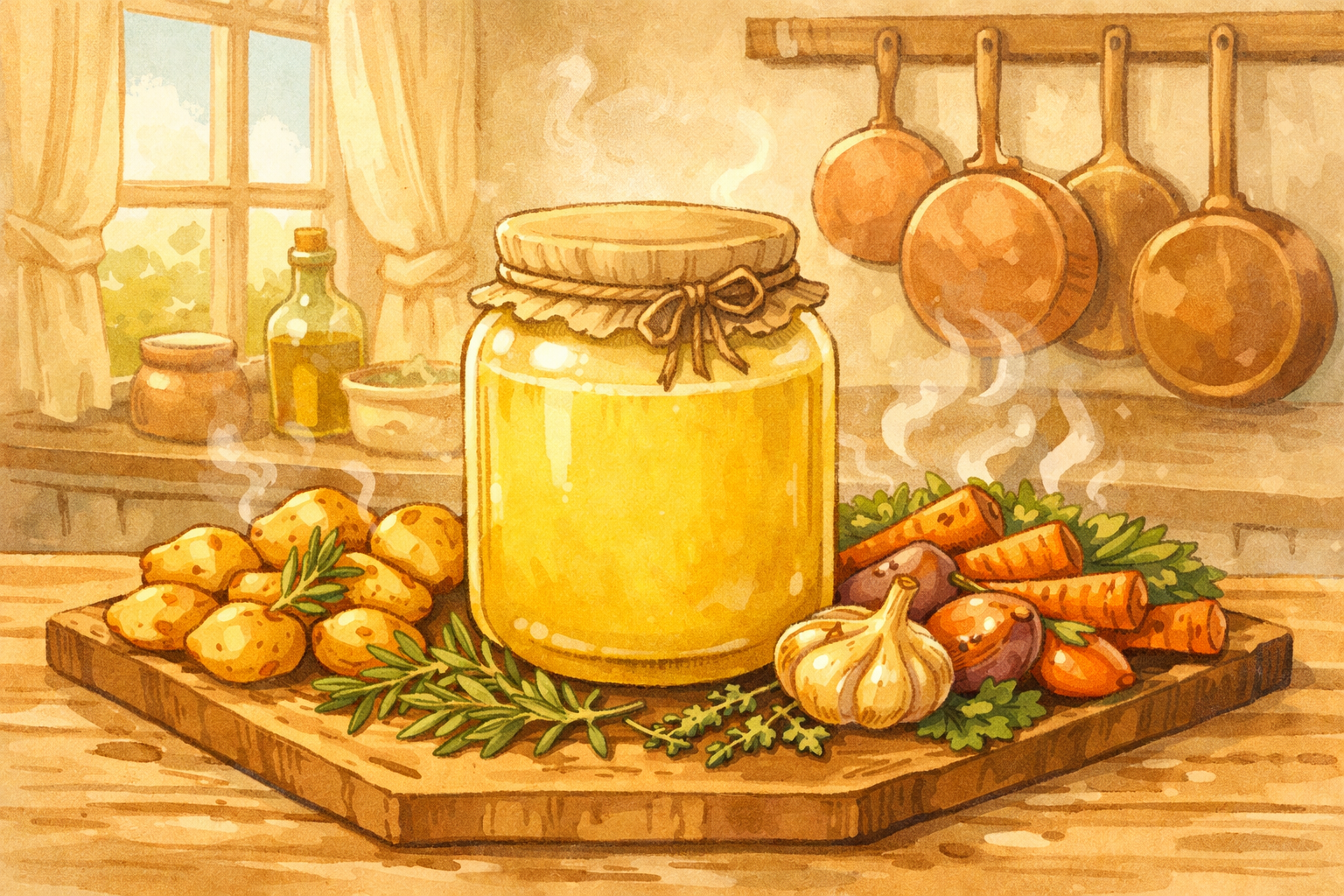
Duck Fat: The Forgotten Cooking Fat Making a Comeback in Healthy Kitchens
Walk into any French bistro kitchen, and you'll likely find a container of rendered duck fat sitting proudly next to the stove. This golden, silky fat has been a cornerstone of traditional cooking for centuries, yet somehow it became the forgotten hero of the American kitchen. While we were busy experimenting with industrial seed oils, our ancestors were creating culinary masterpieces with duck fat—and for good reason.
The Nutritional Profile That Puts Seed Oils to Shame
Duck fat's composition reads like a nutrition textbook's dream. With approximately 35% saturated fat, 50% monounsaturated fat (primarily oleic acid—the same heart-healthy fat found in olive oil), and only 14% polyunsaturated fat, it strikes a balance that seed oils can't match. Compare this to canola oil's 62% polyunsaturated fat content, and you start to see why oxidation and rancidity are such concerns with seed oils.
🛡️ Trying to avoid seed oils? Seed Oil Scout has you covered.
2M+ downloads. 23K+ five-star reviews. Verified restaurant and grocery data so you always know what you're eating.
The monounsaturated fat content in duck fat is particularly impressive. Oleic acid has been shown to reduce inflammation, improve insulin sensitivity, and support cardiovascular health. A 2014 study published in Progress in Lipid Research highlighted oleic acid's role in reducing inflammatory markers—the exact opposite of what happens when we consume oxidized polyunsaturated fats from seed oils.
Duck fat also contains meaningful amounts of vitamins E and K, plus selenium—nutrients that act as antioxidants in the body. The vitamin K2 content is especially noteworthy, as this fat-soluble vitamin plays crucial roles in calcium metabolism and cardiovascular health that we're only beginning to understand.
Why Duck Fat Excels in the Kitchen
From a culinary perspective, duck fat is nothing short of magical. With a smoke point around 375°F (190°C), it sits in the sweet spot for most cooking applications—high enough for crispy roasted vegetables and perfect french fries, but not so high that it encourages excessive heating that can damage the fat structure.
The flavor profile is where duck fat truly shines. Unlike the neutral (often metallic) taste of refined seed oils, duck fat adds a subtle, savory richness to dishes without overpowering them. It's the secret behind the world's best pommes sarladaises and why duck fat roasted potatoes have a cult following among chefs.
Professional chefs prize duck fat for several reasons:
- Superior heat transfer: Duck fat conducts heat evenly, creating that perfect golden crust
- Moisture retention: Foods cooked in duck fat stay juicy inside while crisping outside
- Reusability: Unlike seed oils that break down quickly, duck fat can be strained and reused multiple times
- Natural preservation: The stable fat composition means duck fat can be stored for months without going rancid
Traditional Wisdom Backed by Modern Science
The French Paradox—the observation that French people have relatively low rates of heart disease despite consuming saturated fats—becomes less paradoxical when you consider their fat choices. Populations in Southwest France, where duck and goose fat consumption is highest, have some of the lowest rates of cardiovascular disease in the country.
Recent research supports what traditional cultures knew intuitively. A 2017 analysis in the British Journal of Sports Medicine challenged the vilification of saturated fats, noting that the evidence linking them to heart disease was never as strong as claimed. Meanwhile, the oxidative stress caused by heated polyunsaturated fats in seed oils continues to be linked to inflammation and chronic disease.
The stability of duck fat under heat is crucial. When polyunsaturated fats in seed oils are heated, they form toxic aldehydes and other oxidation products. Duck fat's predominantly saturated and monounsaturated composition means it remains stable during cooking, producing far fewer harmful compounds.
Where to Source Quality Duck Fat
Finding high-quality duck fat has become easier as more people rediscover traditional fats. Here are your best options:
Specialty Butchers: Local butchers who work with whole animals often sell rendered duck fat. This is usually the freshest option and supports local businesses. Expect to pay $8-12 per pound.
Farmers Markets: Duck farmers frequently sell rendered fat alongside their meat products. This gives you the opportunity to ask about the ducks' diet and living conditions—pasture-raised ducks produce superior fat.
Online Retailers: Companies like D'Artagnan, Fatworks, and Epic Provisions ship nationwide. Look for duck fat from pasture-raised birds without added ingredients. Prices typically range from $15-25 per pound including shipping.
Whole Foods and Gourmet Stores: Many upscale grocery stores now stock duck fat in their specialty sections. Brands like Rougie and Hudson Valley are commonly available.
Render Your Own: If you cook duck at home, save and render the fat trimmings. Simply cook the fat pieces over low heat until the fat renders out, then strain. One whole duck can yield up to a cup of rendered fat.
Practical Uses for Duck Fat in Your Kitchen
Once you have duck fat in your kitchen, the possibilities are endless. Start with these applications:
Roasted vegetables: Toss Brussels sprouts, carrots, or potatoes in melted duck fat before roasting. The results will convert vegetable skeptics.
Eggs: A tablespoon of duck fat in your skillet creates the silkiest scrambled eggs you've ever tasted.
Popcorn: Drizzle melted duck fat over air-popped popcorn with sea salt for an gourmet snack.
Sautéing: Use duck fat anywhere you'd use butter or oil for sautéing—it's particularly good with mushrooms and greens.
Confit: The traditional method of preserving meat in its own fat works beautifully with duck fat for chicken, pork, or vegetables.
Storage and Handling Tips
Duck fat's stability makes it easy to store, but proper handling ensures maximum freshness:
- Store rendered duck fat in an airtight container in the refrigerator for up to 6 months
- Frozen duck fat keeps for over a year without quality loss
- Always use clean utensils to prevent contamination
- Strain used duck fat through cheesecloth to remove food particles before storing
- Label containers with the date to track freshness
Making the Switch from Seed Oils
Transitioning from seed oils to traditional fats like duck fat doesn't have to happen overnight. Start by replacing the seed oils in your favorite recipes with duck fat. You'll likely find you need less fat overall, as duck fat's richness means a little goes a long way.
The cost difference becomes negligible when you consider that duck fat can be reused multiple times and that you'll use less of it per dish. Plus, the health benefits of avoiding oxidized seed oils are priceless.
Ready to eliminate seed oils from your diet entirely? The Seed Oil Scout app makes it easy to find restaurants that cook with traditional fats like duck fat, tallow, and butter. With real-time updates from a community of health-conscious diners, you'll never have to wonder what's in your restaurant meal again. Download Seed Oil Scout today and join thousands of others who've made the switch to traditional, healthy cooking fats.