
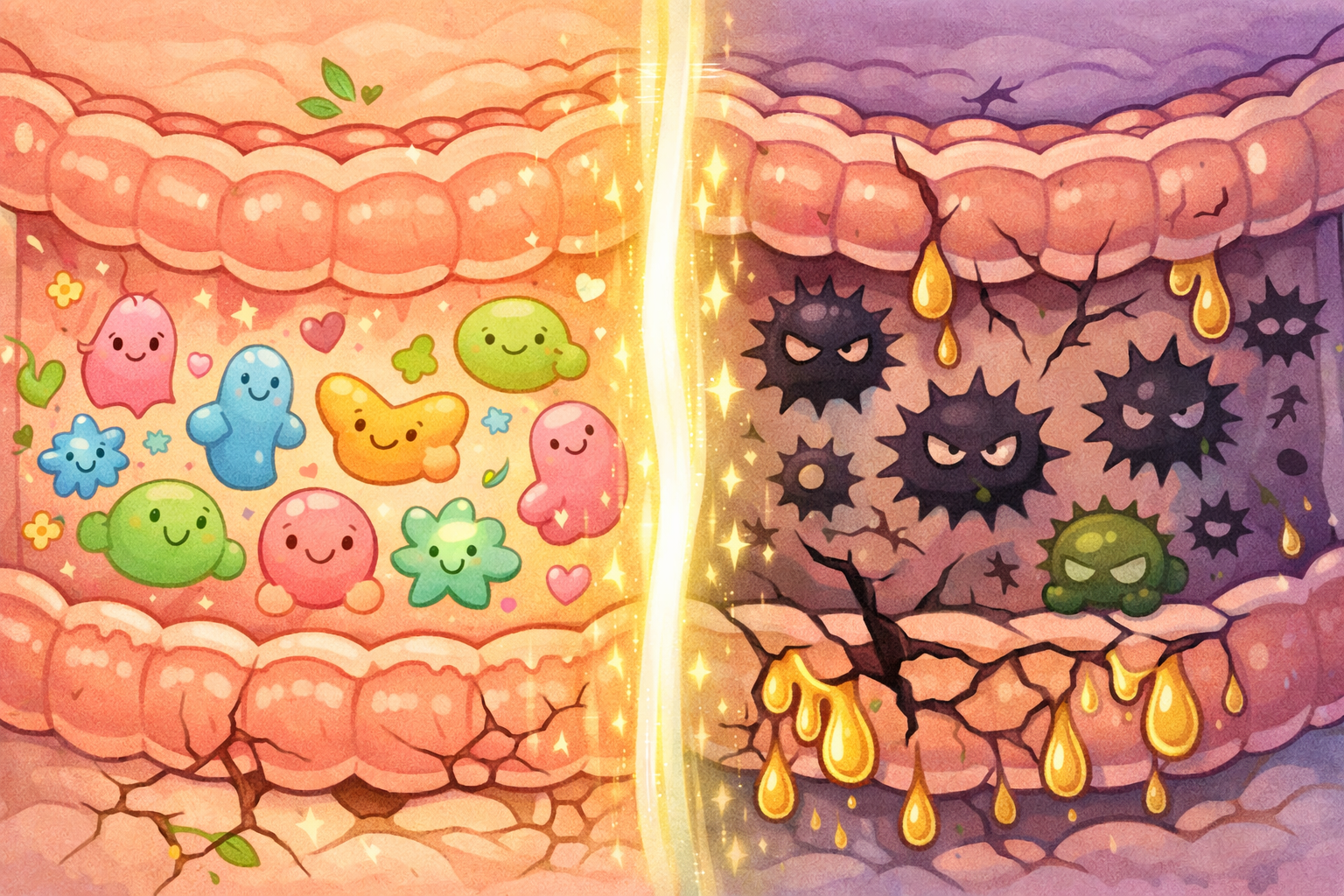
How Seed Oils Destroy Your Gut: The Hidden Microbiome Connection
Your gut is home to trillions of bacteria that control everything from your mood to your metabolism. But every time you eat foods cooked in canola, soybean, or sunflower oil, you're essentially carpet-bombing this delicate ecosystem. The connection between seed oils and gut dysfunction isn't just another wellness trend—it's backed by compelling science that explains why so many people feel better when they eliminate these industrial oils from their diet.
The Oxidative Assault on Your Gut Lining
Seed oils contain unprecedented amounts of linoleic acid—an omega-6 fatty acid that's incredibly prone to oxidation. When you consume foods cooked in these oils, especially at high temperatures, you're ingesting lipid peroxides and aldehydes that directly damage your intestinal lining.
🛡️ Trying to avoid seed oils? Seed Oil Scout has you covered.
2M+ downloads. 23K+ five-star reviews. Verified restaurant and grocery data so you always know what you're eating.
Research from the Journal of Lipid Research shows that oxidized linoleic acid metabolites increase intestinal permeability—what's commonly called "leaky gut." These oxidation products punch holes in the tight junctions between intestinal cells, allowing bacterial toxins, undigested proteins, and other inflammatory compounds to leak into your bloodstream.
The damage compounds over time. A 2020 study found that mice fed a high linoleic acid diet for just 12 weeks showed significant deterioration in their gut barrier function, with markers of intestinal inflammation increasing by over 300%.
Feeding the Wrong Bacteria
Your gut bacteria have food preferences just like you do—and seed oils feed the troublemakers. High omega-6 intake shifts your microbiome toward pro-inflammatory species while starving beneficial bacteria that produce short-chain fatty acids like butyrate.
Researchers at UC Davis discovered that diets high in soybean oil specifically increase populations of Proteobacteria—a phylum of bacteria associated with metabolic dysfunction and inflammatory bowel diseases. Meanwhile, beneficial Bacteroidetes populations plummet, disrupting the delicate balance your gut needs to function properly.
This bacterial shift has real consequences:
- Increased endotoxin production: The wrong bacteria produce lipopolysaccharides (LPS) that trigger systemic inflammation
- Reduced SCFA production: Less butyrate means less fuel for your intestinal cells and weaker gut barrier integrity
- Altered bile acid metabolism: Disrupted bacteria can't properly process bile acids, leading to digestive issues and metabolic problems
The Inflammation Cascade
When seed oils damage your gut lining and feed inflammatory bacteria, your immune system goes into overdrive. About 70% of your immune system resides in your gut, so when things go wrong there, the effects ripple throughout your entire body.
The oxidized omega-6 metabolites from seed oils activate inflammatory pathways like NF-κB and COX-2—the same pathways targeted by anti-inflammatory drugs. But instead of taking medication to suppress this inflammation, you're actively stoking it with every meal cooked in these oils.
A groundbreaking study from the American Journal of Gastroenterology found that people consuming the highest amounts of omega-6 oils had 2.5 times higher levels of inflammatory markers in their intestinal tissue compared to those eating traditional fats like olive oil or butter.
Why Traditional Cultures Had Healthier Guts
Before the 1900s, human consumption of linoleic acid was around 2-3% of total calories. Today, thanks to seed oils, many Americans get 15-20% of their calories from linoleic acid—a 10-fold increase that our guts simply haven't evolved to handle.
Traditional fats like tallow, lard, butter, and olive oil contain mostly saturated and monounsaturated fats that are stable, don't oxidize easily, and actually support gut health. These fats:
- Maintain integrity of intestinal cell membranes
- Support production of antimicrobial peptides
- Feed beneficial bacteria that strengthen gut barriers
- Don't create inflammatory oxidation products
The Metabolic Endotoxemia Connection
One of the most damaging consequences of seed oil consumption is metabolic endotoxemia—a condition where bacterial toxins leak from your damaged gut into your bloodstream, triggering widespread inflammation and metabolic dysfunction.
French researchers discovered that a single high-fat meal rich in seed oils can increase blood endotoxin levels by 50-100%. When this happens repeatedly, it leads to:
- Insulin resistance: Endotoxins interfere with insulin signaling in muscle and liver cells
- Weight gain: Inflammation disrupts leptin signaling, making you hungrier and prone to storing fat
- Fatty liver: The liver bears the brunt of clearing these toxins, leading to fat accumulation
- Brain inflammation: Endotoxins can cross the blood-brain barrier, contributing to brain fog and mood issues
Healing Your Gut by Eliminating Seed Oils
The good news? Your gut has remarkable healing capabilities once you remove the source of damage. Studies show that switching from seed oils to traditional fats can:
Restore microbiome balance in 4-6 weeks: Beneficial bacteria populations rebound quickly when you stop poisoning them with oxidized oils.
Reduce intestinal permeability by 40-60%: Tight junctions between gut cells begin repairing themselves within days of eliminating seed oils.
Lower inflammatory markers by up to 75%: Without constant oxidative assault, your gut's immune system can finally calm down.
Improve digestive symptoms: Many people report reduced bloating, better bowel movements, and less abdominal pain within 2-3 weeks.
Practical Steps to Protect Your Gut
Eliminating seed oils requires vigilance, especially when eating out. Here's how to start:
Cook with stable fats: Use butter, ghee, tallow, lard, coconut oil, or olive oil at home. These fats have been used safely for thousands of years.
Read every label: Seed oils hide in everything from "healthy" salad dressings to organic snacks. Look for canola, soybean, sunflower, safflower, corn, cottonseed, rice bran, and grapeseed oils.
Ask restaurants about cooking oils: Most use cheap seed oils for everything. Request butter or olive oil, or stick to restaurants you know use quality fats.
Support your microbiome: While eliminating seed oils, eat fermented foods, resistant starch, and plenty of fiber to help beneficial bacteria recover.
Take Control of Your Gut Health Today
Your gut health is too important to leave to chance. Every meal at a restaurant is an opportunity to either heal or harm your microbiome. That's why we created Seed Oil Scout—to help you make informed choices about where and what to eat.
The app instantly shows you which restaurants in your area use seed oils and which ones cook with gut-friendly traditional fats. With crowdsourced reports from health-conscious diners and direct confirmations from restaurants, you'll never have to wonder what's really in your food. Download Seed Oil Scout today and join thousands of people taking control of their gut health, one meal at a time.