
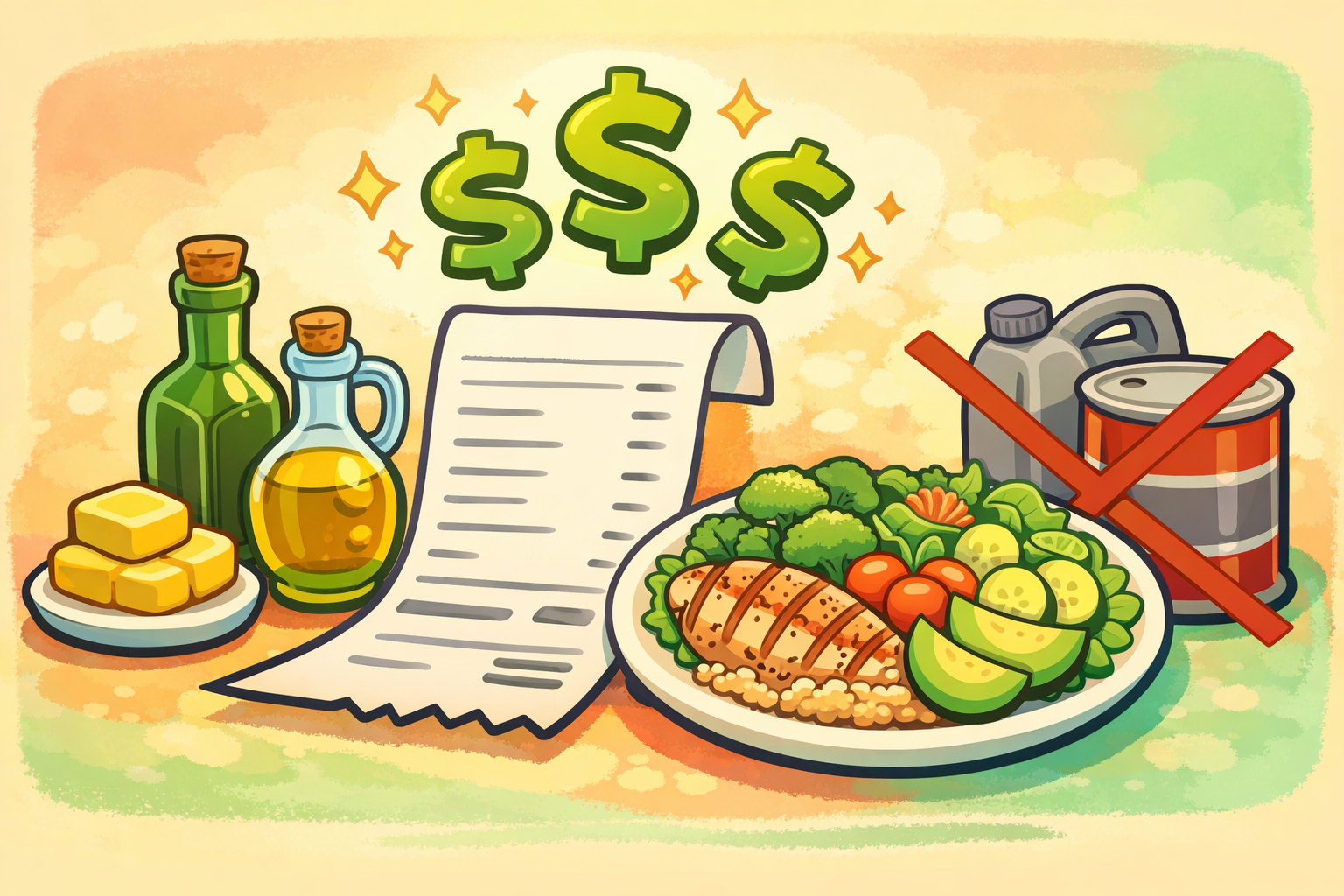
Is Paying 30% More for Seed Oil-Free Meals Actually Worth It? A Cost-Benefit Analysis
Last week at my favorite local bistro, I watched the server's expression shift when I asked about cooking oils. The chef could prepare my salmon with butter instead of their standard vegetable oil blend—for an extra $4.50 on a $15 dish. That's a 30% upcharge for what amounts to a simple ingredient swap.
This scenario plays out thousands of times daily across restaurants nationwide. Health-conscious diners increasingly request seed oil-free preparations, often facing significant premiums. But here's the million-dollar question: is paying extra to avoid seed oils a smart health investment or just expensive virtue signaling?
The Hidden Costs You're Already Paying
Before we debate whether that 30% premium is justified, let's acknowledge an uncomfortable truth: you're already paying a price for seed oil consumption—it's just not showing up on your restaurant bill.
🛡️ Trying to avoid seed oils? Seed Oil Scout has you covered.
2M+ downloads. 23K+ five-star reviews. Verified restaurant and grocery data so you always know what you're eating.
Americans consume approximately 80 grams of seed oils daily, primarily from soybean, corn, and canola oils. This represents a 1000% increase since 1960. These oils now constitute nearly 20% of our total caloric intake, fundamentally altering our cellular composition.
The health implications are staggering. Excessive omega-6 fatty acids from seed oils promote inflammation throughout the body. This chronic inflammation doesn't just cause immediate discomfort—it's linked to virtually every modern chronic disease, from heart disease to diabetes to certain cancers.
Consider the financial burden of these conditions:
- Average annual medical costs for someone with diabetes: $16,752
- Lifetime medical costs for heart disease: $200,000+
- Lost productivity from chronic inflammation: $1,685 per person annually
Suddenly, that $4.50 upcharge starts looking like pocket change.
Breaking Down the Restaurant Premium
Why do restaurants charge more for seed oil-free preparations? The answer involves both legitimate costs and opportunistic pricing.
Legitimate cost factors include:
- Higher ingredient costs (butter costs 3-4x more than soybean oil per volume)
- Shorter shelf life of traditional fats
- Additional prep time and specialized cooking methods
- Staff training on alternative preparation techniques
However, many establishments also recognize that health-conscious consumers represent a less price-sensitive market segment. If you're already prioritizing health over convenience by scrutinizing ingredients, you're statistically more likely to pay a premium for perceived quality.
This creates a frustrating dynamic where restaurants may charge more than necessary, knowing their health-focused clientele will absorb the cost.
The Quality Difference Is Real
Beyond health considerations, there's a culinary argument for avoiding seed oils. Traditional fats like butter, ghee, and animal fats simply taste better. They provide richer flavors, better textures, and superior cooking properties.
Professional chefs have long known this secret. That's why high-end restaurants have never fully embraced seed oils despite their cost advantages. When you pay extra for seed oil-free preparations, you're often getting a superior culinary experience—not just a health upgrade.
I've personally noticed that restaurants willing to accommodate seed oil-free requests tend to be more conscientious about overall food quality. They source better ingredients, prepare items fresh rather than relying on pre-made components, and generally care more about what they're serving.
Strategic Ways to Minimize the Premium
If you're committed to avoiding seed oils but bristle at paying 30% more, here are evidence-based strategies to reduce your costs:
1. Target the right cuisines. Mediterranean, French, and traditional Italian restaurants often use olive oil and butter as defaults. Many Asian cuisines traditionally cook with lard or coconut oil. You'll pay less for modifications when you're working with, rather than against, a cuisine's traditional fat preferences.
2. Order strategically. Grilled meats, steamed vegetables, and salads are easier to prepare without seed oils. Fried foods and baked goods almost always require significant modifications, driving up costs.
3. Build relationships. Regular customers who consistently request seed oil-free preparations often see "upcharges" mysteriously disappear over time. Restaurants value loyalty, especially from customers with specific requirements.
4. Time your dining. During slower periods, kitchens have more flexibility to accommodate special requests without charging premiums. That Tuesday lunch special might be more negotiable than Saturday dinner service.
The Long-Term ROI Calculation
Let's run the numbers on a typical scenario. If you eat out 4 times weekly and pay an average 30% premium to avoid seed oils:
- Average meal cost: $20
- 30% premium: $6
- Weekly additional cost: $24
- Annual additional cost: $1,248
That's not insignificant. But compare it to the potential savings:
- Reduced inflammation-related medical visits: $500-2,000/year
- Decreased need for pain medications and supplements: $300-600/year
- Improved energy and productivity: difficult to quantify but substantial
- Potential prevention of one chronic disease: priceless
From a pure ROI perspective, paying extra to avoid seed oils appears justified if it reduces your chronic disease risk by even a few percentage points.
When the Premium Isn't Worth It
Despite the compelling health case, there are situations where paying 30% more doesn't make sense:
1. Token gestures. Some restaurants charge premiums for "healthier" oils that are still problematic. Paying extra for canola instead of soybean oil? Save your money.
2. Occasional indulgences. If you eat out once monthly, the cumulative exposure from occasional seed oil consumption is relatively minimal. Focus your efforts on your daily dietary patterns.
3. Financial hardship. Health is important, but not at the expense of financial stability. If paying premiums strains your budget, focus on cooking at home with healthy fats instead.
The Bigger Picture
The 30% premium for seed oil-free dining represents something larger than a simple health choice. It's a vote with your wallet for a food system that prioritizes quality over cheap industrialization.
Every time we accept these upcharges, we signal to restaurants that there's a market for traditionally-prepared foods. As demand grows, economies of scale should eventually reduce these premiums. We're essentially early adopters paying the innovation tax for a healthier food system.
Is it fair that we pay more for foods prepared the way they were for thousands of years before industrial seed oils? Absolutely not. But fairness and reality rarely align in our modern food system.
Making the Decision That's Right for You
Ultimately, whether paying 30% more for seed oil-free meals is "worth it" depends on your individual circumstances:
- Your current health status and inflammation levels
- Your financial situation and dining frequency
- Your commitment to long-term health optimization
- The availability of quality alternatives in your area
For most health-conscious individuals with moderate disposable income, the premium represents a reasonable investment in long-term wellbeing. The combination of reduced inflammation, better-tasting food, and supporting responsible restaurants tips the scales toward value.
However, don't let perfect be the enemy of good. If you can't always afford the premium, focus on avoiding seed oils where it's most impactful—in your home cooking and most frequent dining choices.
Ready to make finding seed oil-free restaurants easier and potentially less expensive? The Seed Oil Scout app helps you discover restaurants in your area that already cook with traditional fats, often at no premium. Download it today to join thousands of health-conscious diners who've discovered that avoiding seed oils doesn't always mean paying more—it just means knowing where to look.