
Zero Seed Oil Grocery Shopping: Your Complete Aisle-by-Aisle Guide
Navigating the grocery store while avoiding seed oils feels like dodging landmines. Every aisle presents new challenges, from sneaky ingredients in "healthy" foods to misleading labels that require a chemistry degree to decode. But here's the truth: once you know exactly where to look and what to buy, seed oil-free shopping becomes second nature.
This guide breaks down every section of the grocery store, revealing the hidden seed oil hotspots and highlighting your best bets for clean eating. Whether you're just starting your seed oil-free journey or looking to optimize your shopping routine, you'll walk away with a clear game plan.
Why Your Shopping Cart Matters More Than Ever
The average American consumes approximately 80 grams of seed oils daily—that's nearly 20% of total caloric intake from oils that didn't exist in our food supply 100 years ago. These industrial oils, including soybean, corn, canola, sunflower, and cottonseed oils, undergo extensive processing involving hexane extraction, bleaching, and deodorizing.
🛡️ Trying to avoid seed oils? Seed Oil Scout has you covered.
2M+ downloads. 23K+ five-star reviews. Verified restaurant and grocery data so you always know what you're eating.
Recent research from the University of California found that linoleic acid from seed oils accumulates in our cell membranes, potentially staying there for up to 600 days. This means every grocery trip either adds to this accumulation or helps your body clear it out.
The Produce Section: Your Safe Haven
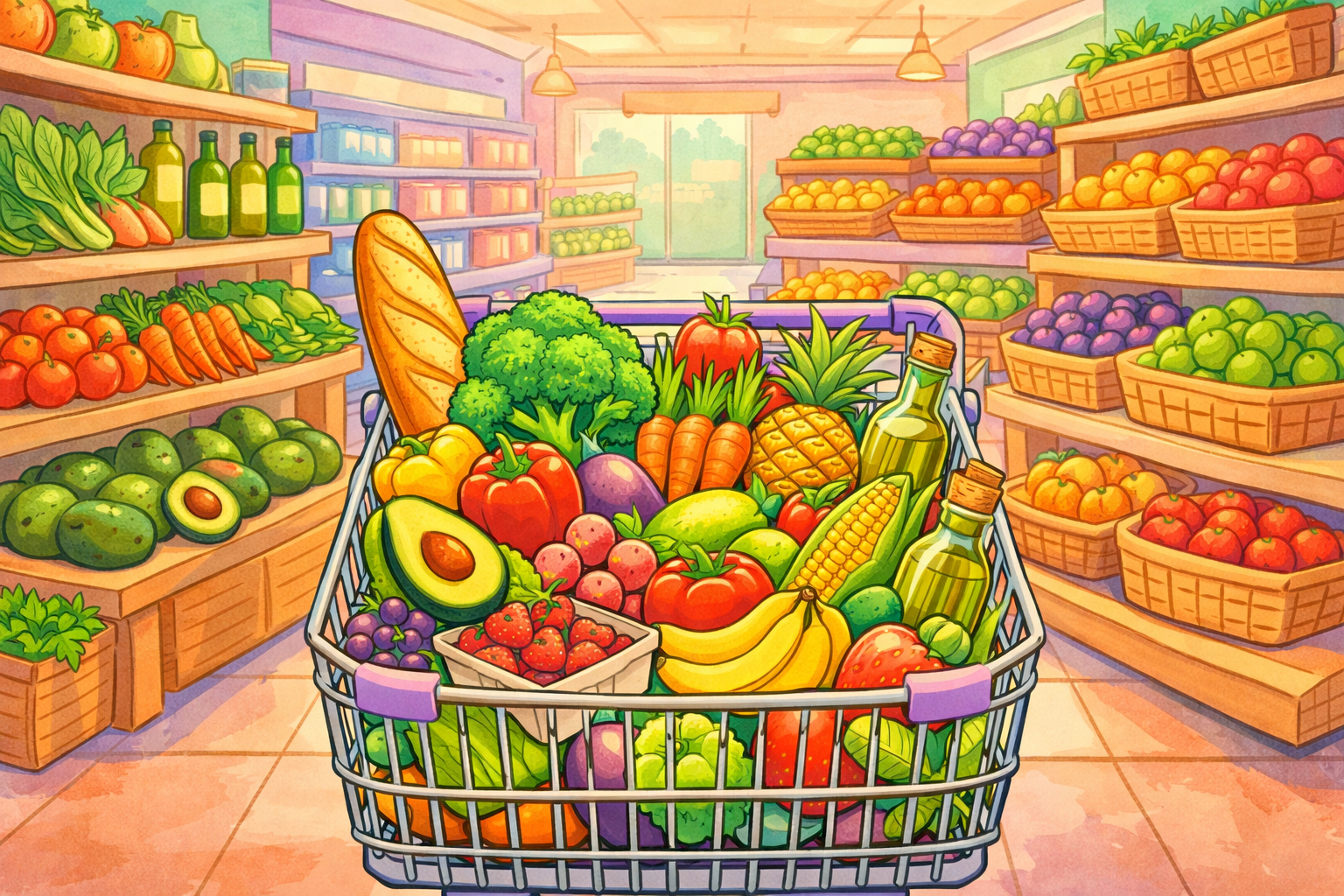
Start your shopping here—it's the one section where seed oils rarely infiltrate. Fresh fruits and vegetables are naturally seed oil-free, making this the easiest part of your trip.
Pro tip: Beware of pre-made salads with included dressing packets. Those convenient Caesar salad kits? The dressing almost always contains soybean or canola oil. Stick to plain greens and make your own dressing with olive oil and vinegar.
Some produce sections now carry pre-cut vegetables sautéed in oil. Always check labels on anything pre-cooked or marinated. Those grilled vegetable medleys might seem healthy, but they're often swimming in cheap vegetable oils.
The Meat and Seafood Counter: Reading Between the Lines
Fresh, unprocessed meats are seed oil-free, but the moment you see words like "marinated," "seasoned," or "enhanced," your guard should go up. Many grocery stores inject meats with solutions containing oils and preservatives to increase weight and shelf life.
Always choose:
- Plain, unseasoned cuts of beef, pork, lamb, and poultry
- Fresh or frozen seafood without added ingredients
- Grass-fed and pasture-raised options when available (lower in inflammatory omega-6s)
Always avoid:
- Pre-marinated meats (that teriyaki chicken uses soybean oil)
- Breaded proteins (the coating contains seed oils)
- Rotisserie chickens (often basted with seed oil blends)
The Dairy Aisle: Surprising Hidden Culprits
Pure dairy products—milk, plain yogurt, cheese, and butter—are naturally seed oil-free. But food manufacturers love adding oils to create creamier textures and extend shelf life.
Watch out for:
- Coffee creamers (even "natural" ones often contain sunflower oil)
- Whipped toppings and aerosol creams
- Processed cheese products and spreads
- Some cottage cheeses with added ingredients
Stick to full-fat, single-ingredient dairy products. Greek yogurt brands like Fage and authentic cheeses from the deli counter are reliable choices. For butter, look for grass-fed options like Kerrygold or local creamery brands.
The Bread and Bakery Section: The Seed Oil Minefield
This is where things get tricky. An estimated 95% of commercial breads contain seed oils. Manufacturers use them to improve texture, increase shelf life, and reduce costs. Even "artisan" breads from the in-store bakery often contain canola or soybean oil.
Seed oil-free options:
- Traditional sourdough from authentic bakeries (ask about ingredients)
- Ezekiel bread (uses no oils)
- Some European-style breads (check labels carefully)
- Make your own—it's easier than you think
For crackers and snacks, Mary's Gone Crackers and Simple Mills use coconut oil or olive oil instead of seed oils. These cost more but won't contribute to your inflammatory load.
The Condiment Aisle: Where Good Intentions Go Wrong
This aisle devastates more clean-eating plans than any other. That "olive oil mayonnaise" you're reaching for? Check the ingredients—soybean oil is usually listed first, with just enough olive oil to legally use the name.
Common condiment swaps:
- Regular mayo → Primal Kitchen mayo (made with avocado oil)
- Store-bought dressing → Simple olive oil and vinegar
- Conventional ketchup → Primal Kitchen or True Made versions
- Standard BBQ sauce → Coconut aminos or homemade versions
Reading labels here is non-negotiable. Even seemingly innocent items like pickles sometimes contain seed oils in their brine.
The Frozen Food Section: Convenience at a Cost
Frozen vegetables and fruits without sauces are perfectly safe. The problem starts with anything pre-cooked, breaded, or sauced. Those healthy-looking veggie burgers? Bound together with canola oil. The organic frozen dinners? Check that ingredient list.
Safe frozen options:
- Plain frozen vegetables and fruits
- Unseasoned frozen meats and seafood
- Some coconut-based ice creams (always verify)
- Brands like Siete for frozen meals (uses avocado oil)
The Snack Aisle: Proceed with Extreme Caution
If there's one aisle to skip entirely, it's this one. Chips, crackers, cookies, and processed snacks are seed oil central. Even "baked" chips often contain these oils. The few exceptions come with premium price tags but are worth it for occasional treats.
Cleaner snack options:
- Boulder Canyon chips (cooked in avocado oil)
- Siete tortilla chips
- Raw nuts and seeds
- Dark chocolate (check ingredients—some contain soy lecithin)
Smart Shopping Strategies
Shop the perimeter first: The outer edges of the store typically contain whole foods—produce, meat, dairy. Fill your cart here before venturing into the processed food aisles.
Create a seed oil-free shopping list: Planning prevents panic purchases. Know exactly what brands and products work before you shop.
Budget for quality: Seed oil-free products often cost 20-50% more. Consider it an investment in avoiding future medical bills. Buy in bulk when possible, and look for sales on compliant brands.
Learn the code names: Seed oils hide under various names—vegetable oil, partially hydrogenated oils, margarine, and "natural flavors" can all indicate seed oil presence.
Making It Sustainable
The key to long-term success isn't perfection—it's progress. Start by eliminating seed oils from the foods you eat most frequently. If you have toast every morning, invest in seed oil-free bread. Love salads? Master a simple olive oil vinaigrette.
Consider batch cooking on weekends to reduce reliance on processed foods during busy weekdays. A few hours of meal prep eliminates dozens of opportunities for seed oils to sneak into your diet.
Your Next Step
While this guide covers grocery shopping, eating out presents entirely different challenges. Restaurant meals contain an average of 45 grams of seed oils—more than half your daily intake in a single meal. That's where technology becomes your ally.
The Seed Oil Scout app instantly identifies seed oil-free options at restaurants near you. Instead of interrogating servers or settling for a plain salad, you'll know exactly what's safe to order before you even walk in. Download it today and turn eating out from a source of stress into an enjoyable, health-supporting experience.